|
Sv - BMI
INSTITUTE Aebischer, Patrick
Blanke, Olaf
Hirling, Harald
Fraering, Patrick
Gerstner, Wulfram
Hadjikhani, Nouchine
Herzog, Michael
Lüthi-Carter, Ruth
Lashuel, Hilal
Magistretti, Pierre
Markram, Henry
Moore, Darren
Petersen, Carl
Sandi, Carmen
Schneggenburger, Ralf
|
Laboratory of Neural Microcircuitry
Henry Markram, Ph.D. Professor BMI Co-Director
Link to LNMC : None
Link to the Blue Brain Project : BBP
Research Interests
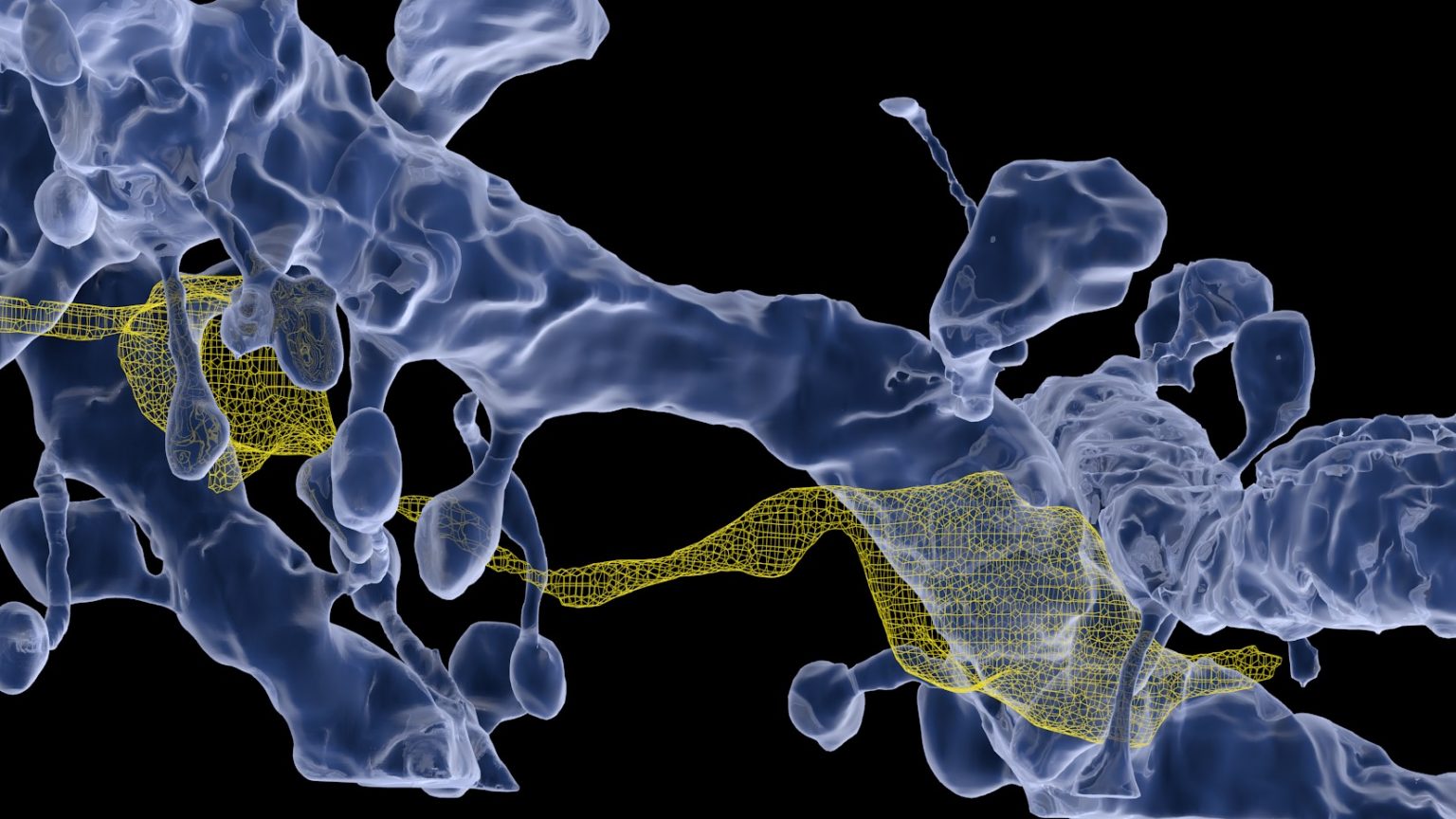
The Laboratory of Neural Microcircuitry is dedicated to understanding the structure, function and plasticity of the microcircuitry of the neocortex.
The neocortex constitutes nearly 80% of the human brain and is made of a repeating stereotypical microcircuit of neurons. This neural microcircuit lies at the heart of the information processing capability of the neocortex, the capability of mammals to adapt to a rapidly changing environment, memory, and higher cognitive functions.
Our goal is to derive the blue print for this microcircuit. The neocortical microcircuit exhibits omnipotent computational capabilities, meaning that the same microcircuit of neurons can simultaneously partake in an unrestricted number of tasks. This capability allows the neocortex to be parcellated into multiple overlapping functional vertical columns (0.3-0.5 m in diameter) that form the foundation of functional compartmentalization of the neocortex. In order to derive the blueprint of this microcircuit, we study the components (the neurons) of the microcircuit, how the neurons are interconnected (anatomical properties of connections), and the functional structure of the microcircuitry (physiological & plasticityproperties of connections). A neocortical column contains several thousand neurons interconnected in a precise and intricate manner.
To study the different types of single neurons we employ whole-cell patch clamp studies in neocortical slices to obtain the electrophysiological profile of neurons, to aspirate cytoplasm for single cell multiplex RT-PCR studies and to load the neurons with dyes to allow subsequent 3D anatomical computer reconstruction of each neuron. This approach enables us to derive the electrophysiological behavior, the anatomical structure, as well as the genetic basis of the anatomy and physiology of each type of cell. The microcircuit contains at least 9 major anatomical classes of cells, 15 major electrophysiological classes and 20 major molecular classes. Precise anatomical and physiological rules also operate to connect the different types of neurons. In order to derive these rules, we obtain multiple patch-clamp recordings from pre-selected neurons. This allows repeated analysis of the major connections and derivation of the signatures of connectivity as well as the physiological and plasticity principles for these connections.
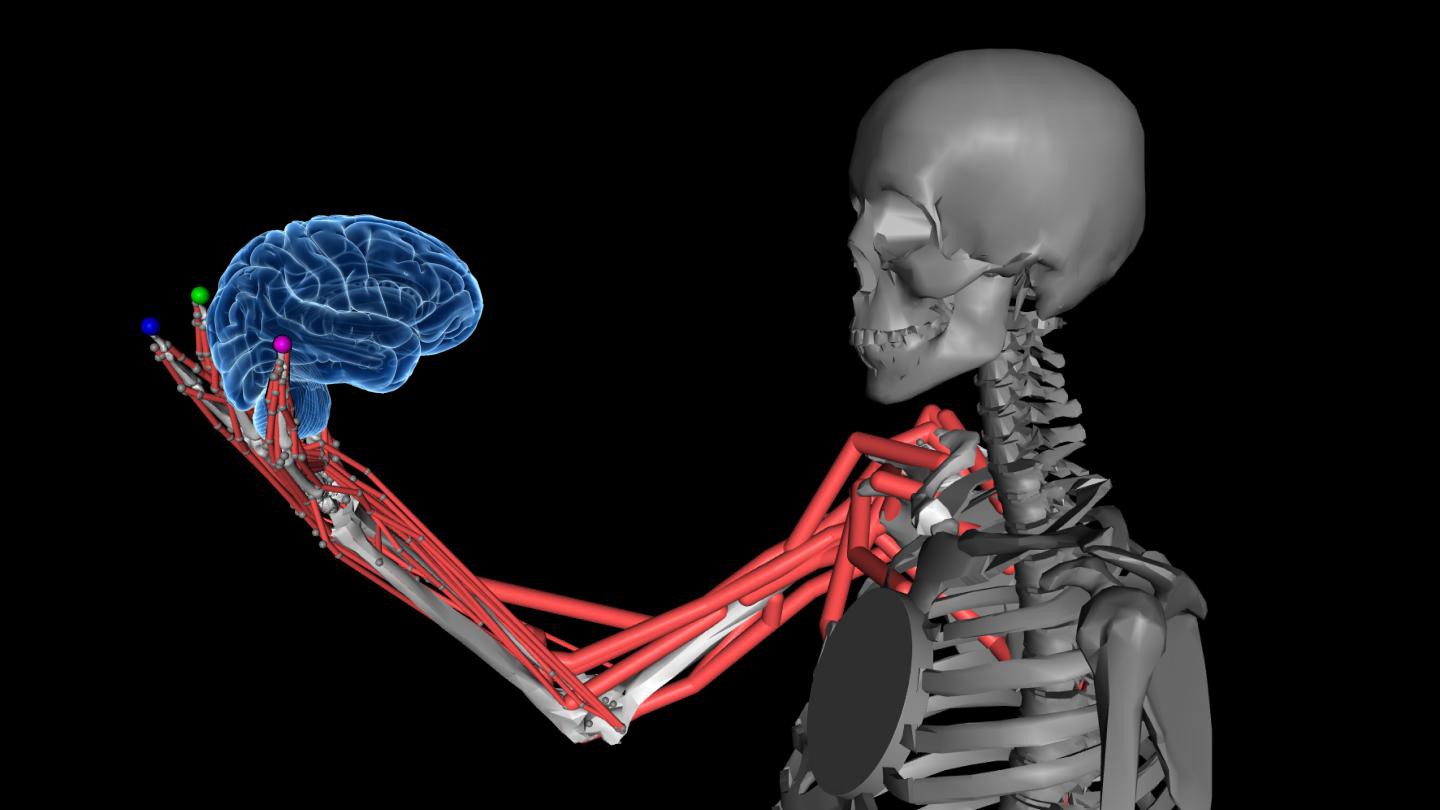
With the growing set of precise multidimensional parameters that characterize the microcircuit, it has now become possible to assess the integrity of the microcircuit to support functions and what may go wrong in different diseases. This is allowing a new generation of experiments that could reveal microcircuit changes caused by interacting with the environment and by disease. A current project is aimed at isolating the microcircuit deficits that may underlie autism. In addition to obtaining the genetic, structural, functional and plasticity principles that make up the blueprint of the neocortical microcircuit, we are systematically reconstructing this microcircuit in large scale computer models. These theoretical studies are focused on simulating the entire microcircuit, constructing genetic algorithms that could grow microcircuits based on genetic information, constructing algorithms to allow a model microcircuit to learn and adapt to a rapidly changing environment, exploring principles of information processing at different levels of the microcircuit and practical implementations in robotics. In summary, we believe that the neocortical microcircuit is the essence of neocortical computation and that deriving this blue print is essential for a comprehensive understanding of high cognitive functions.
Virtually all neurological and psychiatric disorders involve the neocortex at some stage and at some level. The blue print to the neocortical microcircuit could therefore provide the foundation for developing interventions that could "surgically" correct microcircuit deviations. Furthermore, this neocortical microcircuit exhibits computational power that is impossible to match with any known technology. Deriving the blueprint and its operational principles could therefore spur a new generation of neuromorphic devices with immense computational power.
Image
|
CONTACTS
|